FOOD SAFETY AWARENESS

Know What May Be Hidden In Your Food

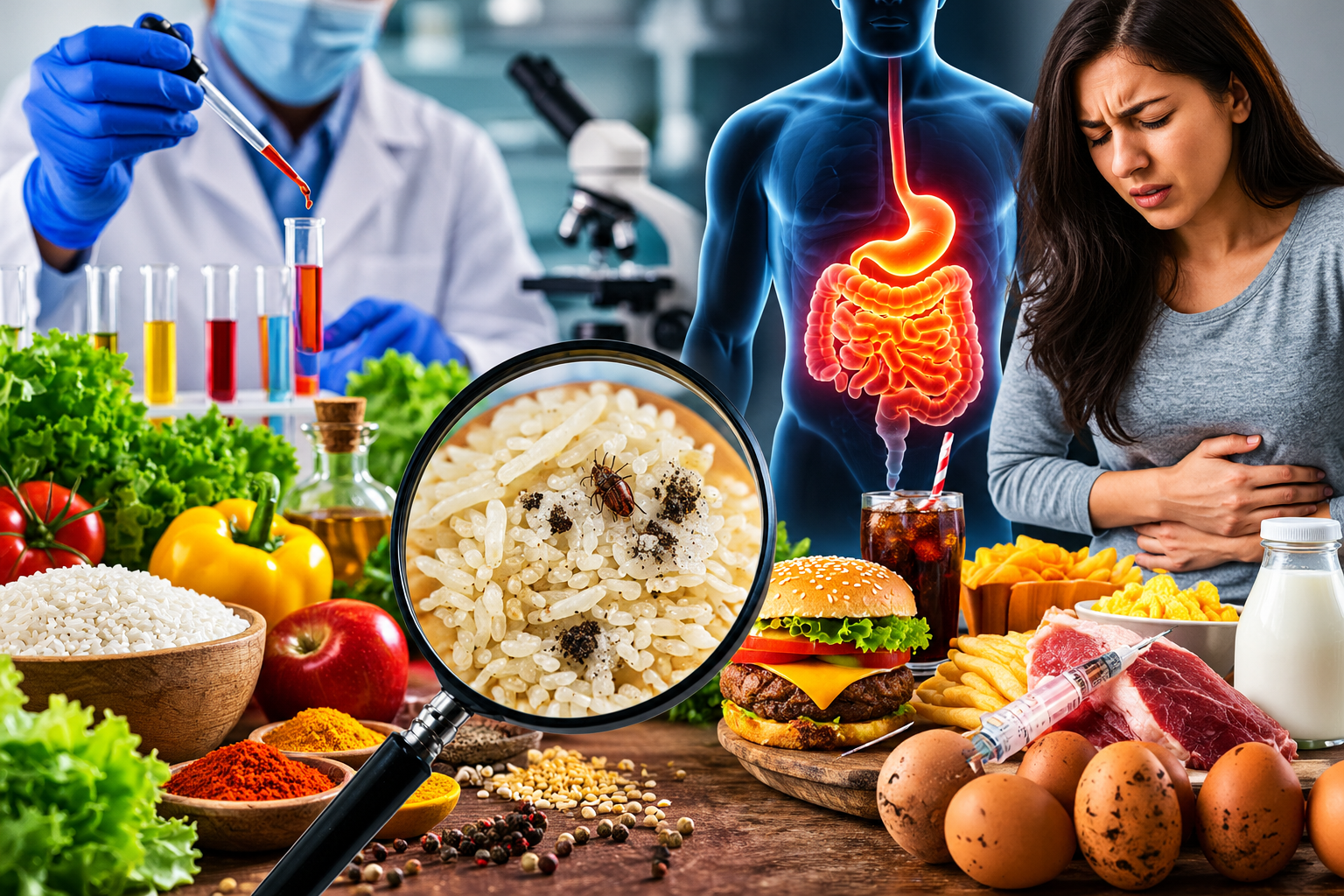
Food adulteration can compromise food quality and may create significant health risks depending on the substance involved and the level and duration of exposure.

Food adulteration awareness
01 FOOD SAFETY
FOOD ADULTERATION & HEALTH

The food on your plate deserves your attention.

Adulteration means deliberately reducing or compromising the quality of food by adding inferior or unsuitable substances or by removing important components.

01 Quality
Compromise
02 Possible
Health Risks
03 Long-Term
Exposure
COMMON EXAMPLES

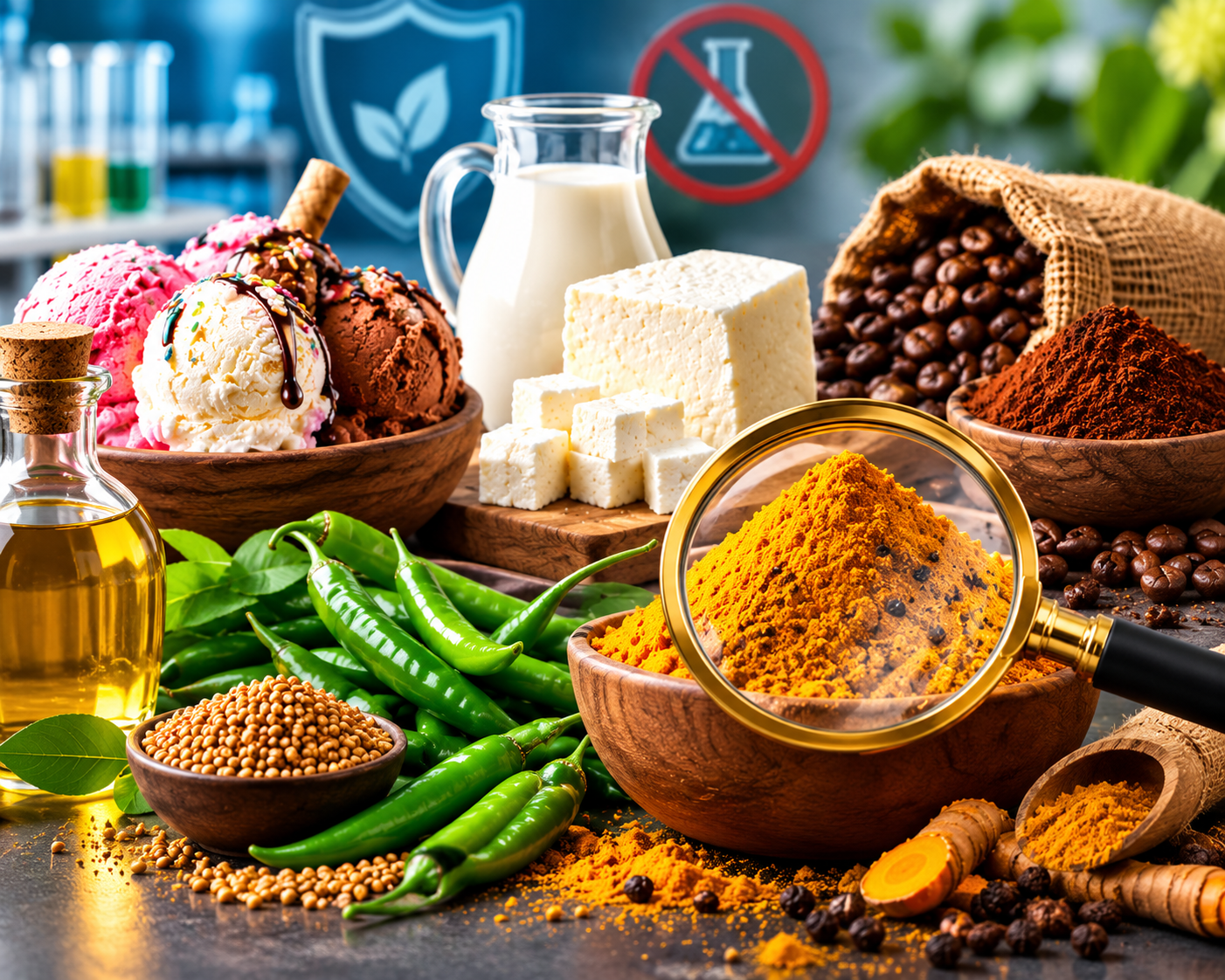
Some adulterated foods found in the market

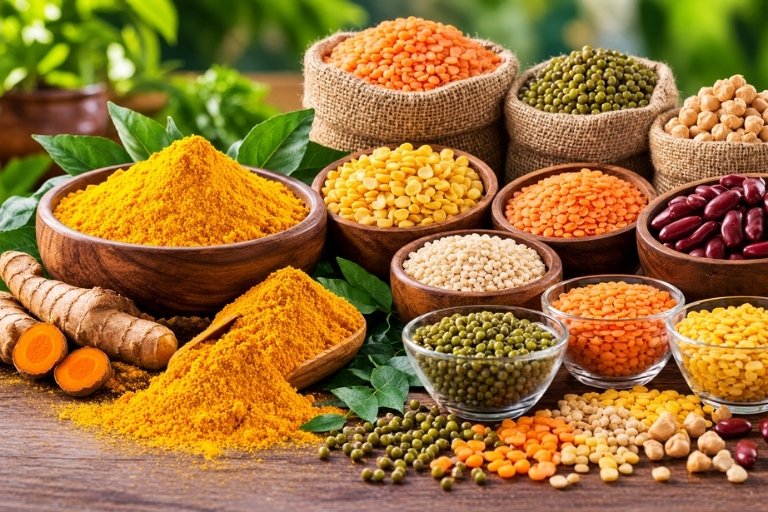
Turmeric, dals and pulses 01
SPICES & PULSES

Turmeric, Dals & Pulses

Possible adulterants

Metanil Yellow and Kesari Dal are examples of adulterants cited in the supplied material.

HEALTH CONCERN

Some adulterants can be harmful when consumed; health effects depend on the specific substance and exposure.
Green chillies and vegetables 02
VEGETABLES

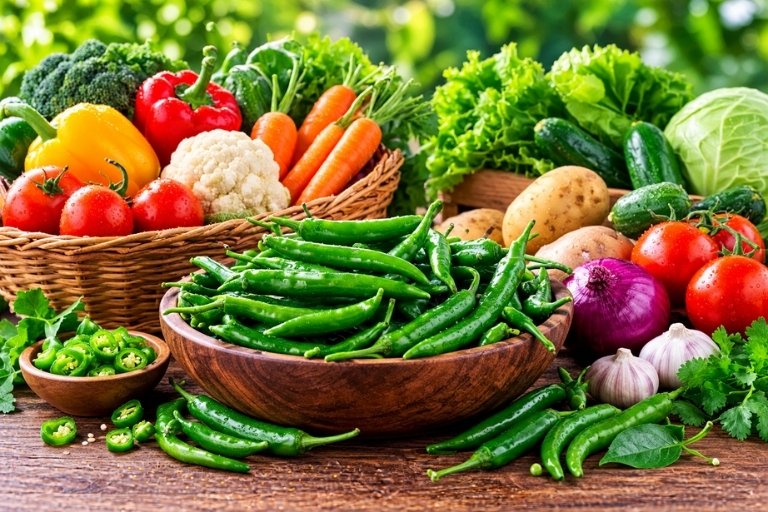
Green Chillies & Vegetables

Possible adulterants

Malachite Green and Argemone seeds are mentioned in the supplied reference material.

HEALTH CONCERN

Contaminants and unsafe additives may pose health concerns depending on exposure.

Mustard seeds and mustard oil 03
OILS & SEEDS

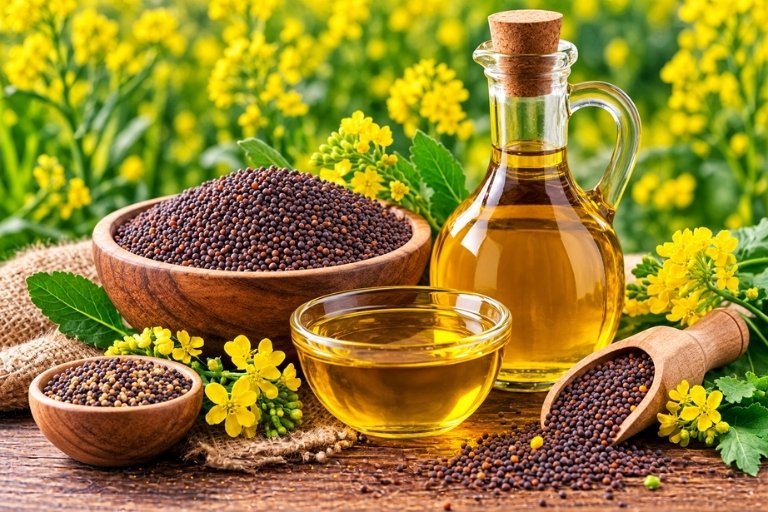
Mustard Seeds & Mustard Oil

Possible adulterants

Argemone seeds and other unsuitable seed materials are mentioned in the supplied content.

HEALTH CONCERN

Certain contaminants can cause serious health problems depending on their nature and exposure.

Paneer and dairy products 04
DAIRY PRODUCTS

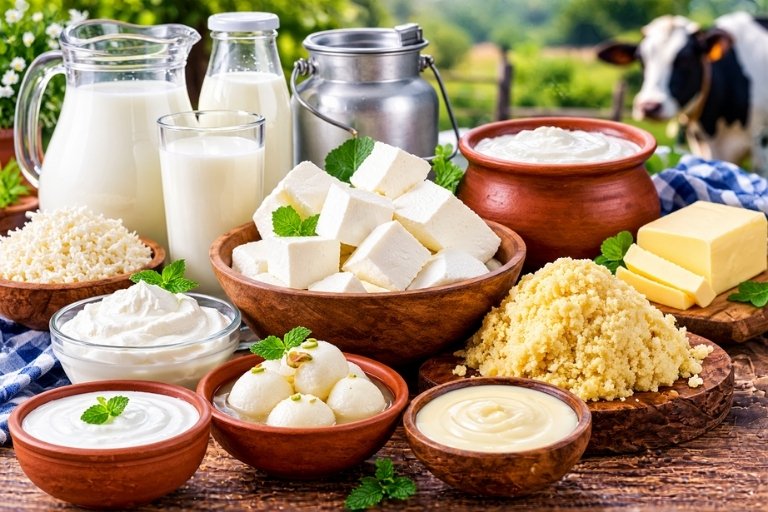
Paneer, Khoya & Milk Products

Possible adulteration

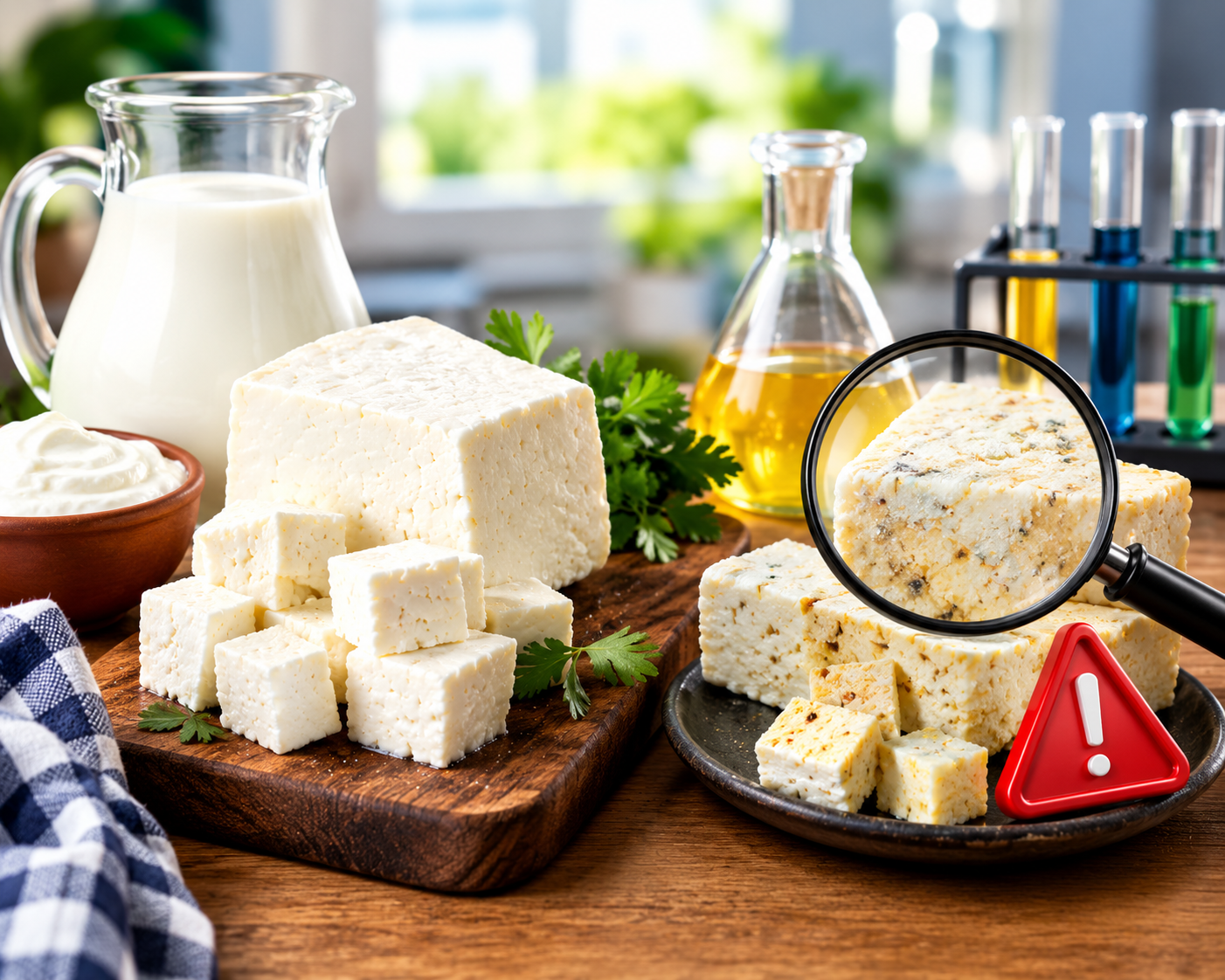
The supplied material describes substitution or addition of non-milk ingredients in some spurious dairy products.

HEALTH CONCERN

Poor-quality or adulterated dairy products may create food-safety and digestive health risks.

Ice cream 05
FROZEN FOODS

Ice Cream

Supplied reference mentions

Several non-standard substances were listed in the supplied material as possible adulterants.

HEALTH CONCERN

Food additives and contaminants should comply with applicable food-safety standards.

Coffee powder and coffee beans 06
BEVERAGES

Coffee Powder

Possible adulterants

Tamarind seeds and chicory powder are mentioned in the supplied reference material.

HEALTH CONCERN

Adulteration can reduce nutritional quality and may introduce unwanted substances.

OTHER EXAMPLES

Other forms of food adulteration

Adulteration is not limited to a single food category. The supplied references also highlight examples involving dairy products, oils, spices, confectionery and preserved foods.

  • 01 Cream and dairy products may be compromised with unsuitable ingredients.
  • 02 Oils may be mixed with lower-quality or inappropriate fats and oils.
  • 03 Coloured substances may be used to alter the appearance of spices and foods.
  • 04 Pickles and preserved vegetables may contain unwanted colouring or contaminants.
Examples of food adulteration
CHECK What goes
into your food?
PESTICIDES & LONG-TERM EXPOSURE

Food safety is also cancer awareness.

Some contaminants and pesticide residues can create health concerns. The actual risk depends on the specific chemical, dose, duration and route of exposure.

!

Avoiding unnecessary exposure to unsafe or contaminated food is an important part of maintaining a healthy lifestyle.

SAFE FOOD
Paneer food safety awareness
FOOD SAFETY
PANEER AWARENESS

Be careful with spurious paneer.

The supplied material describes adulterated paneer as potentially being prepared using non-standard ingredients and chemicals. Such claims should be verified through appropriate food-safety testing rather than assumed from appearance alone.

01

Prefer trusted and properly labelled dairy products.

02

Check packaging, source and storage conditions before purchase.

03

Suspected adulteration should be reported to the appropriate food-safety authority.

MAKE INFORMED CHOICES

Eat clean. Stay aware. Protect your health.

✓
FOOD SAFETY & PUBLIC AWARENESS

Strong Surveillance for Safer Food

Effective implementation of food laws requires continuous surveillance, trained professionals, consumer awareness, strict enforcement and coordinated support.

FOOD
SAFETY
SURVEILLANCE
01
CONTINUOUS MONITORING

Monitor Food Hazards

Food safety activities should be regularly monitored with periodic records of hazards and possible adulteration risks.

02
PROFESSIONAL TRAINING

Train Safety Officers

Senior officers, inspectors and analysts should receive periodic training to strengthen food safety knowledge and enforcement practices.

03
PUBLIC AWARENESS

Educate Consumers

Exhibitions, seminars, training programmes and educational materials can help consumers recognize food safety risks.

04
STRICT ENFORCEMENT

Take Strong Action

Appropriate legal action and enforcement are essential against those involved in food adulteration.

GLOBAL COOPERATION

International organizations and partners can support stronger food-law implementation.

Prevention begins with awareness, surveillance and responsible action.

CANCER & ENVIRONMENTAL EXPOSURE

Understanding Hidden Exposures

Some environmental contaminants and chemicals can create health risks depending on the substance, level and duration of exposure. Awareness and responsible practices can help reduce unnecessary exposure.

Agricultural pesticide application
ENVIRONMENTAL EXPOSURE
01 / EXPOSURE

Pesticides & Cancer Risk

Pesticides are used to protect crops from insects, weeds and disease. However, certain chemicals can pose health risks when exposure is excessive or prolonged.

Chemical Exposure

Exposure can occur through food residues, occupational contact or contaminated environments.

Long-Term Risk

The health effect depends on the particular chemical, dose, frequency and duration of exposure.

Safer Practices

Proper handling, regulated use and careful food washing can help reduce avoidable exposure.

Some specific chemicals have been classified by international cancer agencies according to their carcinogenic potential. This does not mean that every pesticide causes cancer.

FOOD SAFETY

Know What Can Reach Your Food

01
Pesticides

Agricultural chemical residues

02
Contaminants

Unwanted substances in food

03
Adulteration

Inferior or unauthorized substances

04
Packaging

Possible chemical migration

02 / MATERIALS

Plastics, BPA & Styrene

Food and beverage packaging can contain a variety of chemical compounds. Under certain conditions, some substances may migrate from materials into food or beverages.

SOURCE Plastic Materials
CONDITION Heat / Wear / Contact
CONCERN Chemical Migration
RESPONSE Reduce Unnecessary Exposure
CHEMICAL AWARENESS
AWARE
BPA
Bisphenol compounds

Some bisphenol compounds can show hormone-like activity. Their health effects remain an area of ongoing scientific research.

CHEMICAL PROFILE

Styrene

Styrene is an industrial chemical used in the production of materials including polystyrene and synthetic rubber. Occupational and environmental exposure should be appropriately controlled.

01 Industrial Use

Used in manufacturing plastics, resins and synthetic rubber.

02 Packaging

Styrene-based materials can be used in packaging and disposable products.

03 Exposure Awareness

Limiting unnecessary exposure to hazardous industrial chemicals is important.

03 / RESPONSIBILITY

Small Changes. Better Protection.

Reducing unnecessary exposure is a shared responsibility. Simple food-storage and preparation choices can support safer everyday habits.

01

Choose Safer Containers

Prefer glass, stainless steel or other suitable food-safe containers, particularly for hot foods and beverages.

02

Wash Fresh Produce

Wash fruits and vegetables thoroughly before consumption to help remove dirt and some surface contaminants.

03

Avoid Unnecessary Exposure

Follow food-safety guidance and avoid using damaged, unsuitable or visibly degraded food-contact containers.

04

Stay Informed

Follow reliable food-safety and cancer-prevention information instead of unverified health claims.

CANCER AWARENESS & PREVENTION

Dr. Prashant Kumbhaj

Medical Oncologist focused on comprehensive cancer care, evidence-based treatment and patient education. Awareness of environmental and lifestyle risk factors is an important part of responsible cancer prevention.

MEDICAL ONCOLOGY CANCER AWARENESS PATIENT EDUCATION
PK

Awareness is the first step toward prevention.